
How to Turn Your Current Home Into an Investment Property


A practical, step-by-step strategy to build long-term wealth without selling your first home
Why Keeping Your Current Home Can Be a Smart Wealth Move
The Hidden Opportunity Most Homeowners Miss
Many homeowners assume the only way to move up is to sell their current home and use the equity. But there is another path that can accelerate wealth building: keeping your current home as a rental while purchasing your next one.
This strategy allows you to:
- Hold onto an appreciating asset
- Generate rental income
- Benefit from long-term equity growth
Over time, this can create a compounding effect where one property turns into multiple.
Why Real Estate Is Built on Holding, Not Flipping
Historically, long-term real estate ownership has been one of the most reliable ways to build wealth. Appreciation, loan paydown, and rental income all work together.
When you sell, you reset that progress. When you hold, you multiply it.
That is the core mindset shift.
How to Turn Your Current Home Into a Rental Property
Step 1: Evaluate Your Home’s Rental Potential
Before making the move, you need to understand if your current property works as a rental.
Look at:
- Rental demand in your area
- Comparable rental rates
- Property condition and maintenance needs
In Wichita, steady demand for affordable single-family homes often makes this strategy viable, especially in established neighborhoods.
Step 2: Run the Numbers Like an Investor
This is where strategy matters.
Estimate:
- Monthly rent
- Mortgage payment
- Taxes and insurance
- Maintenance and vacancy allowance
A simple rule is to ensure rent at least covers your expenses, with some buffer. Even if cash flow is modest, long-term appreciation and equity buildup still add value.
Step 3: Prepare the Home for Tenants
Small upgrades can make a big difference in rentability.
Focus on:
- Neutral paint
- Durable flooring
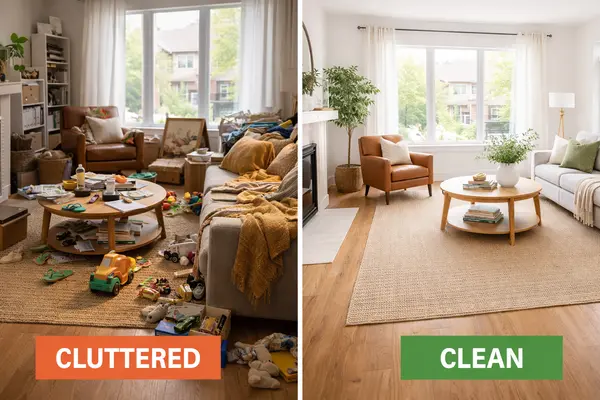
- Clean, functional spaces
You are not renovating for resale. You are optimizing for durability and consistent income.
Step 4: Decide on Self-Management vs Property Management
You can manage the property yourself or hire a professional.
Self-management saves money but requires time and responsiveness. Property managers typically charge a percentage of rent but handle tenant issues, leasing, and maintenance coordination.
Choose based on your availability and long-term goals.
How to Buy Your Next Home with a Low Down Payment
Understanding Owner-Occupied Loan Advantages
One of the biggest advantages of this strategy is that your next home is still considered owner-occupied.
This opens the door to:
- Lower down payment options
- Better interest rates
- More flexible loan programs
Many buyers qualify for loans with as little as 3% to 5% down, depending on the program.
Using Rental Income to Help You Qualify
In some cases, lenders may allow you to use projected rental income from your current home to help offset your debt.
This can improve your debt-to-income ratio and increase your purchasing power.
Lender guidelines vary, so working with an experienced loan officer is key.
Avoiding the Biggest Financing Mistakes
Common mistakes include:
- Not planning the transition timing correctly
- Underestimating reserves needed
- Failing to document rental income properly
A strategic plan up front prevents these issues and keeps your move smooth.
The Long-Term Wealth Strategy Behind This Move
Building Equity in Two Properties Instead of One
Instead of starting over with a new mortgage, you now have:
- One property gaining equity through tenant payments
- Another property growing in value as your primary residence
This dual-growth model is how many investors build portfolios over time.
Creating Future Flexibility
Keeping your first home gives you options:
- Sell later for potentially higher value
- Refinance and access equity
- Continue building a rental portfolio
You are not locked into one path.
Turning One Property Into Many
This strategy is repeatable.
Many investors start with:
1 home → convert to rental
Buy next → repeat
Over time, this can lead to multiple income-producing properties without needing large upfront capital each time.
Is This Strategy Right for You?
When It Makes Sense
This approach works best if:
- You have sufficient equity or savings
- Your home is in a rentable location
- You are comfortable with long-term investing
When to Be More Cautious
It may not be ideal if:
- Your home has high maintenance costs
- Rental demand is weak
- Your financial reserves are limited
A clear financial plan is essential before moving forward.
Take the Next Step Toward Building Your Rental Portfolio
Turning your current home into an investment property is one of the most practical ways to start building real estate wealth without needing a massive upfront investment.
The key is doing it strategically, with the right numbers, financing plan, and long-term vision.
If you are considering this move in Wichita, having a clear plan can make all the difference.
📞 Tel: +1(316) 202-5515
📧 Email: lesley@topwichitaagent.com
📍 Address: 2420 N Dellrose St, Wichita, KS, 67220, USA
🌐 Site: https://topwichitaagent.com
📅 Book Appointment: https://topwichitaagent.com/meeting/844743801146446/lesley_perreault
Categories
Recent Posts








"My job is to find and attract mastery-based agents to the office, protect the culture, and make sure everyone is happy! "